
Buying Larnaca real estate can be a rewarding investment, but it requires careful planning and knowledge of the local process. Cyprus has a straightforward process for foreign buyers – EU citizens can purchase without restrictions, and even non-EU citizens are allowed to buy (typically one or two properties) with some extra formalities.
This 2026 guide gives you a clear step-by-step roadmap for buying Larnaca real estate, including costs, legal checks, timelines, and mistakes to avoid. By following this guide, investors from Poland, Romania, Serbia and beyond can confidently buy property in Larnaca Cyprus while navigating taxes and legal requirements effectively.
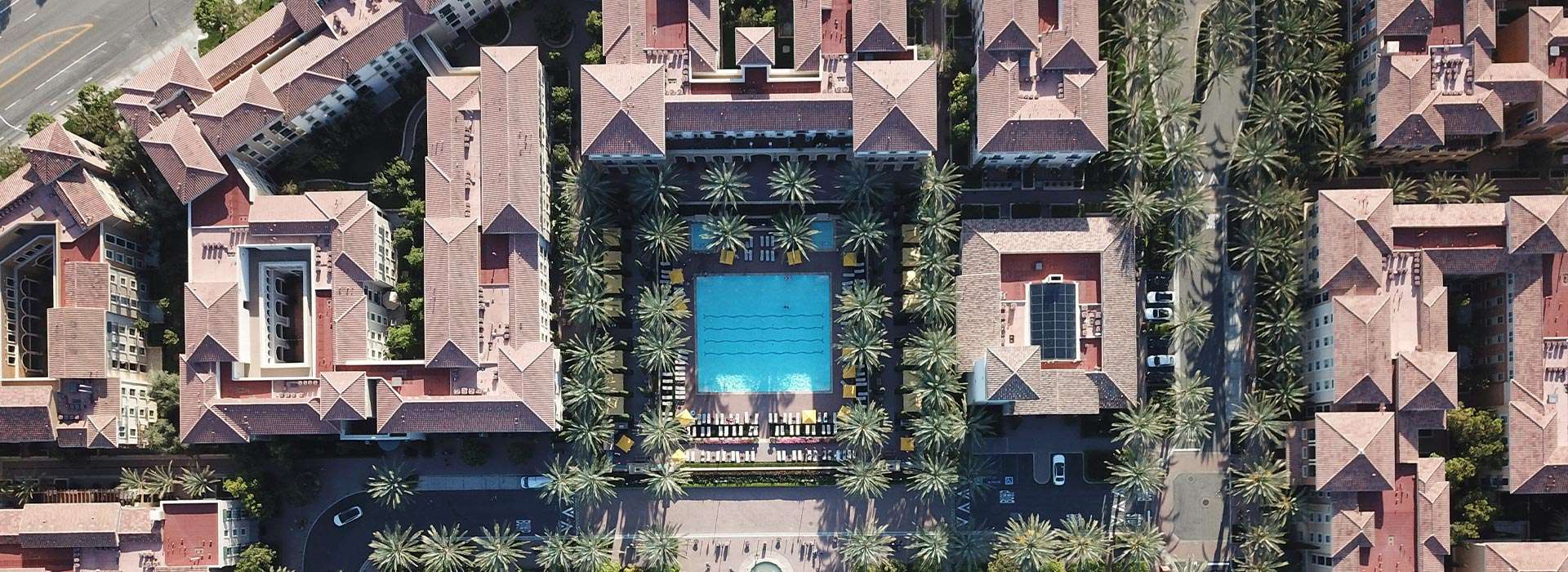
Step Guide to Buying Larnaca Real Estate
-
Find a Suitable Property and Set Your Budget: Begin by researching the Larnaca real estate market and defining your budget. Consider location (proximity to the beach, city center, amenities) and the reputation of the developer or seller. Prime areas like the new Marina, Finikoudes promenade, or up-and-coming suburbs (e.g. Drosia, Aradippou) offer different lifestyle and investment benefits. Engage a licensed real estate agent or developer’s sales team to access listings. Remember that foreigners can buy property in Larnaca with minimal hurdles, but non-EU buyers should be mindful of limits (usually one residence per person without special permissions).
-
View Properties (In-Person or Virtually) and Select the Best Option: Schedule viewings for the Larnaca real estate options you shortlisted. If you are overseas, many developers (like Sunshadow Investments) offer virtual tours for convenience. During viewings, inspect the property thoroughly and ask questions about the building quality, neighborhood, and any future development plans in the area. Once you find the right property that meets your requirements, proceed to secure it.
-
Reserve the Property with a Deposit: Good Larnaca real estate opportunities can sell quickly, so it’s common to pay a reservation deposit to take the property off the market. By signing a reservation agreement and paying a small fee, the seller (or developer) commits to not selling to someone else for a specified period. This gives you time to organize finances and due diligence. If you feel unsure at this stage, it’s wise to consult a lawyer before signing the reservation agreement (though it is usually a simple document). The reservation deposit will later typically count toward your purchase price.
-
Hire an Independent Lawyer and Do Due Diligence: It’s highly advisable to hire a qualified lawyer in Cyprus to represent your interests. Your lawyer will perform thorough due diligence on the property’s legal status. Key checks include verifying the Title Deed (or title certificate) to ensure the seller has legal ownership and that the property isn’t encumbered by mortgages or claims. The lawyer will also confirm that planning and building permits are in order (especially if it’s a new development), and check for any property purchase limits or permits needed (particularly for non-EU buyers). If you’re a non-EU national, your lawyer will prepare an application for the Council of Ministers permission for you to acquire the property – a formality that typically is approved within 1–2 months. (EU citizens do not need this permit.) At this stage, you should also finalize your financing (e.g. mortgage approval) if applicable.
-
Sign the Sales Agreement and Pay the Deposit: Once due diligence is satisfactory, you will sign a Sale and Purchase Agreement (SPA) with the seller. This is a binding contract outlining the property details, price, payment schedule, and any special terms. A substantial down payment (often 10%–30% of the price, depending on terms) is paid upon signing. Cyprus law strongly protects buyers: after signing, your lawyer stamps the contract and registers it with the Land Registry (Department of Lands and Surveys). Stamping the contract (formerly incurring stamp duty, see Costs section) and depositing it at Land Registry is crucial – it officially records your purchase interest and “locks in” your rights to that property. This prevents the property from being sold to someone else or used as loan collateral by the seller once you’ve paid your deposit. At this point, if you are a non-EU buyer, the Council of Ministers permit application should be submitted (if not already) – typically your signed contract is included in that application.
-
Follow the Payment Schedule and Obtain Approvals: If you’re buying an off-plan or under-construction property, the SPA may specify stage payments (e.g. installments upon completion of foundation, structure, etc.). Ensure you pay these on time to avoid breaching the contract. For a ready property, you may simply pay the remaining balance on an agreed date (often within a few weeks or a couple of months from signing). During this period, your lawyer will monitor the progress of the permission from the Council of Ministers (for non-EU buyers). In practice, the sale can proceed while the permit is pending, but the title deed transfer to a non-EU buyer’s name will require the permit to have been granted. Fortunately, such permission is almost always granted for standard residential purchases. As an added benefit, note that non-EU investors who purchase new residential property worth at least €300,000 may qualify for Cyprus permanent residency under the fast-track Regulation 6(2) program – a potential advantage if you plan to reside long-term or seek an EU base.
-
Final Handover, Transfer of Title, and Payment of Fees: Once the property is completed and ready (for new builds) or the agreed completion date arrives (for resale properties), it’s time to take ownership. You’ll inspect the finished property, then take delivery of the keys and possession. The final step is to transfer the Title Deed into your name at the Land Registry. If the Title Deed is already issued (common with resale or completed properties), you or your lawyer arrange a Land Registry appointment to pay the property transfer fees and register the title in your name. If the Title Deed is not yet separately issued (common with brand new developments), you will typically receive it in your name once it’s available. After all dues are paid, you become the official owner as per the Land Registry records. Congratulations – you have successfully bought property in Larnaca Cyprus!
Throughout this process, maintain clear communication with your lawyer, and if applicable, your bank (for mortgage disbursement) and the developer or seller. The entire buying process in Larnaca can take about 1–3 months from reservation to completion for a ready property. Off-plan purchases will align with construction timelines, and non-EU permit processing may add a few weeks, but these steps often run in parallel to construction or other arrangements.
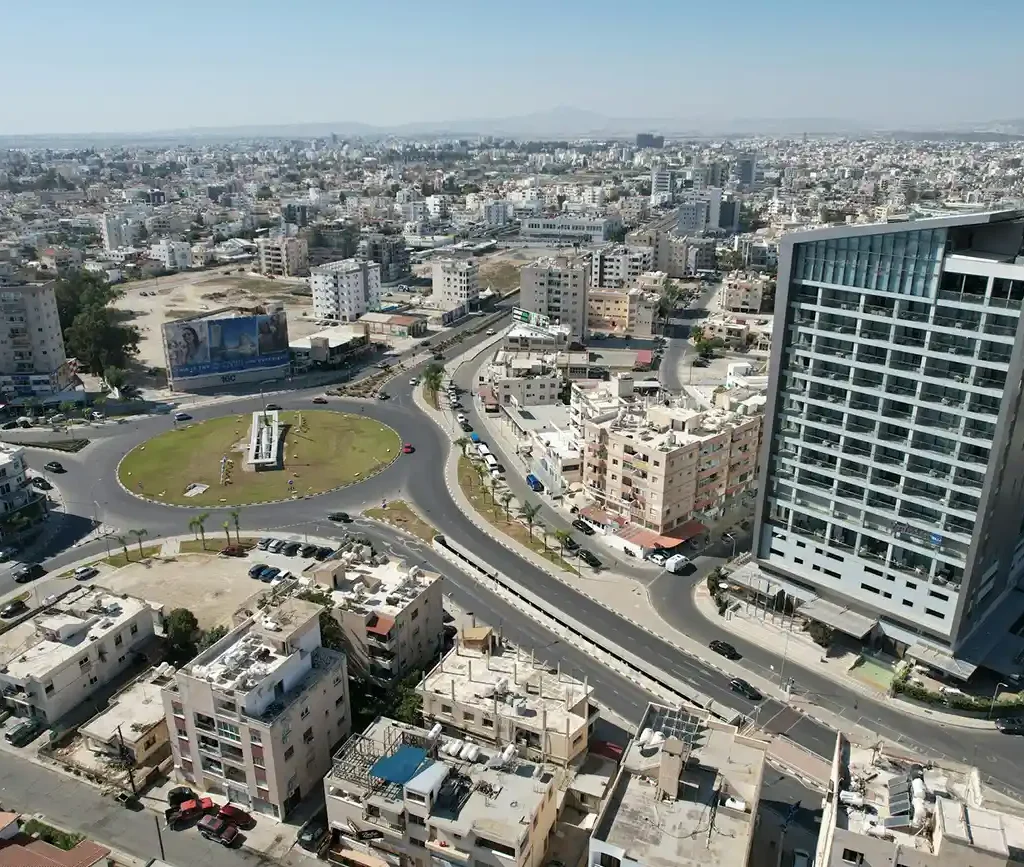
Costs and Fees Checklist for Buying in Larnaca (2026)
Related: 2026 Cyprus Taxes – The Ultimate Guide to New Tax Breaks and Rates
When planning to buy Larnaca Real Estate, it’s critical to budget for the various taxes and fees on top of the purchase price. Here’s a checklist of the main costs:
-
Value Added Tax (VAT): 19% VAT is charged on new properties (first sale by developer). However, for buyers using the property as their primary residence, Cyprus offers a reduced VAT rate of 5% on the first €350,000 of the purchase (conditions apply, such as the buyer being a first-time homeowner in Cyprus). This reduced rate currently applies to roughly the first 130 m² for eligible homes (transitional rules allow up to 200 m² for permits before end of 2023). Resale properties (not new) are VAT-exempt – no VAT is paid, but then transfer fees (see below) will apply in full.
-
Stamp Duty: This is a tax on the contract of sale. Historically, stamp duty was 0.15% on the first €170k and 0.2% on the remainder (capped at €20,000). Important update: As of January 1, 2026, Cyprus has abolished Stamp Duty on property sales. This means new purchase contracts no longer incur this cost. (For reference, on a €300k purchase in 2025, stamp duty would have been only ~€500 – it was a relatively minor cost, now reduced to €0.) There is still a small administrative fee (~€50) to deposit the contract at the Land Registry.
-
Transfer Fees: These are charged by the Land Registry when transferring the Title Deed to the buyer’s name. Transfer fees are tiered and based on the property’s market value: 3% on €0–€85,000, 5% on €85,001–€170,000, and 8% on any value above €170,000. To encourage the new-build market, Cyprus offers incentives here: if you paid VAT on the property, you pay no transfer fee. If the property was VAT-exempt (resale), you get a 50% reduction on the above transfer fee rates under current rules. For example, a resale home of €300,000 would incur €17,200 in transfer fees by the scale, which is then halved to €8,600 after the 50% reduction. Note that purchasing in joint names (e.g. spouses) can also reduce the fee because the property value is split for calculation. Transfer fees are paid upon final registration of the title.
-
Legal Fees: Budget for your lawyer’s services in conducting searches, drafting contracts, and handling the closing. Legal fees can range around 1%–2% of the purchase price (often plus 19% VAT). Some lawyers charge a flat fee or on a sliding scale for higher-value properties. This cost is worth it for the peace of mind and protection a competent independent lawyer provides.
-
Inspection/Survey Fees: Optional but recommended, you might hire a surveyor or snagging inspector (especially for an older resale property or verifying a new build’s completion). Fees could be a few hundred euros for a basic inspection report.
-
Mortgage Fees (if applicable): If you take a local mortgage, banks may charge an arrangement fee (often ~0.5–1% of loan amount) and valuation fee. There will also be interest costs, but those are ongoing, not upfront.
-
Miscellaneous Fees: Minor costs can include translation or notarization of documents (if needed), and if you’re a non-EU buyer, a Council of Ministers permit application fee (usually nominal stamp fees). Also, if purchasing through a company entity, there could be corporate setup or annual fees to consider.
Overall, these additional costs typically total around 10–15% of the property price for a typical transaction (higher if VAT at 19% applies, lower if not). Always get an estimate of all fees in advance so there are no surprises.
Legal Checks and Due Diligence in Cyprus
Due diligence is vital when buying Larnaca real estate safely and confidently. Here are key legal checks and steps to ensure a smooth transaction:
-
Title Deed Verification: Confirm that the property has a valid Title Deed (Title Certificate) and check whether it’s already issued or still pending (common in new projects). If it’s a new build without individual title yet, ensure the land has a clear title and that the developer will provide your separate title deed in the future. The Title Deed proves ownership – buying without securing title can lead to complications, so this is non-negotiable.
-
Encumbrances and Liens: Your lawyer should search the Land Registry for any mortgages, liens, or memos registered against the property or the selling developer. The contract should ideally be free of encumbrances or you should obtain written guarantees (e.g. bank waiver) that any developer mortgage will be lifted for your unit. Failing to verify this is a major risk to avoid.
-
Planning and Building Permits: Especially for a new property, verify that the developer has obtained all necessary planning permits and building permits from the authorities. Without these, the property might be illegal or face difficulties in obtaining Title Deeds later. Also check that the property as built matches the permitted plans.
-
Council of Ministers Permission (for non-EU buyers): As noted, non-EU citizens must obtain a written permission to acquire property. It’s usually a formality – you submit personal details and property info, and approval is granted in a couple of months. Ensure this application is filed promptly. (If you plan to buy more than one property as a non-EU national, consult your lawyer on structuring it, as officially a non-EU individual is limited to one residence plus maybe one piece of land or commercial unit under certain conditions.)
-
Sales Contract Terms: Review the sales contract carefully (with your lawyer). Ensure it specifies the agreed price, payment schedule, what is included (e.g. furniture, parking space, storeroom), completion date if under construction, penalty clauses if there are delays, and your remedies if the seller fails to deliver. It should also mention the responsibility for taxes (normally buyer pays transfer fees, etc., while seller clears any immovable property tax or other dues up to transfer date).
-
Deposit of Contract: As mentioned, make sure the signed contract is deposited at the Land Registry within the legal timeframe (within 30 days of signing, in Cyprus). This protects your ownership rights under Cyprus’ Specific Performance law.
-
Utility Checks and Others: It can be prudent to check that the property has no unpaid utility bills, that common expenses (if in a building) are up to date, and if it’s a resale, that there are no tenants with unexpired leases (unless agreed).
By conducting these checks with a professional’s help, you greatly reduce the risks and ensure the property you are buying is free of legal pitfalls. Cyprus’s system is quite robust when followed correctly – for instance, once your contract is registered, the property cannot be sold to another or have additional encumbrances without your consent. Always err on the side of caution and transparency during due diligence.
Timeline: How Long Does the Purchase Process Take?
The timeline for buying Larnaca real estate can vary based on the property type, financing, and whether you are an EU or non-EU buyer, but here’s a general overview for foreign buyers in 2026:
-
Property Search & Viewings: This part is up to the buyer – it could take weeks or months as you explore options and negotiate. Once you decide, things speed up.
-
Reservation to Contract Signing: After reserving a property, allow a couple of weeks for due diligence and preparing the sales contract. During this time, you’ll hire the lawyer, who will conduct searches, and you might arrange financing. It’s possible to sign the final contract within 1–3 weeks of reservation for a straightforward deal (some buyers do it even faster, but rushing is not advised).
-
Council of Ministers Permit: 1–2 months (non-EU only). This approval runs in parallel and does not usually delay the initial contract signing or taking possession. You typically can sign and even move in while waiting for the permit, as long as the title transfer is done after permit issuance.
-
Completion and Transfer: If it’s a ready property, completion (final payment and title transfer) can happen soon after contract if funds and permit are in place. Practically, most transactions close within 1–3 months from start to finish. Factors like mortgage processing or complex title situations can extend this. If buying off-plan, the timeline aligns with the construction schedule – you pay in stages and complete when the property is built (which could be 12–24 months out). The title deed for a new build might be transferred some months after construction, once the authorities finalize it – your contract secures your rights in the interim.
-
Key Handover: For a completed property, you receive keys on the agreed completion date (often at title transfer). For a new build, you get keys upon construction finish (even if the deed comes later). At handover, you or a snagging inspector should check that everything is delivered as promised.
In summary, EU buyers not needing permits could finalize a cash purchase in as little as 4–6 weeks, whereas non-EU buyers typically complete within 2–3 months to account for the permit process. Always build in some buffer for unexpected delays (legal checks taking longer, bank loan approval, etc.). Patience and preparation help ensure everything goes smoothly according to the timeline.
Mistakes to Avoid When Buying Property in Larnaca
Even seasoned investors can make mistakes when buying Larnaca real estate. Here are common mistakes to avoid:
-
Skipping Proper Due Diligence: Rushing into a purchase without thorough checks can lead to expensive regrets. Always verify ownership and Title Deeds before paying significant money. Ensure no legal obstacles – failing to do so can turn a dream purchase into a nightmare if, for example, you discover the seller didn’t actually have rights to sell or the property has unpaid debts tied to it.
-
Underestimating Additional Costs: A frequent mistake is under-budgeting. Many buyers focus only on the purchase price and overlook the extra 10–15% in taxes and fees (VAT, transfer fee, legal fee, etc.). Don’t forget future costs too – e.g. furnishing the home, insurance, potential renovations, and modest annual fees (municipal garbage tax, communal building fees). Always plan your finances with a comfortable buffer.
-
Ignoring Location and Market Research: Not all neighborhoods in Larnaca are equal for your goals. A property might seem ideal, but if you’re an investor, ask: does this location have high rental demand or good prospects for appreciation? For example, properties near the upcoming marina development might grow in value, whereas a remote area might stagnate. Research local infrastructure and upcoming projects – smart buyers look at both current quality of life and future resale potential. Likewise, consider liquidity: properties in very high-end price brackets or in niche locations might take longer to resell.
-
Not Using Professional Help: Some think they can save money by not hiring a lawyer or by using the seller’s attorney – this is risky. Engaging an independent lawyer is crucial to protect you (and it’s relatively affordable in Cyprus). Similarly, a knowledgeable local real estate agent or advisor can add value, especially if you’re unfamiliar with the market. Going it alone in a foreign country can lead to missed steps or mistakes in negotiation and paperwork.
-
Overlooking Contract Details or Verbal Promises: Everything important must be in writing in the contract. Don’t rely on verbal assurances like “the developer will add this feature” or “you can always do X later.” If, for instance, the seller promises to fix a snag or complete a minor work, have it written into the agreement. Also, ensure you understand any restrictions (e.g. if the property is part of a complex, are there rules on rentals or modifications?). Clarify what happens if either party fails to meet the contract terms.
By being aware of these pitfalls, you can avoid the common traps many new buyers face. The key is to plan, research, and work with the right professionals so you can make a secure and profitable Larnaca real estate investment.
Sunshadow’s Available Properties in Larnaca (High-End Developments: EOS, GAIA, NOX)
Eos Residences – a pioneering development in what is to become Larnaca’s most prestigious coastal region. This unique collection of eight 2 or 3 bedroom full-floor apartments offers a range of floor plans and views to match any modern lifestyle, and lies at the heart of a new, dynamic, upmarket neighbourhood
- Larnaca – New Marina
- Internal Area Up to 106m2
- 2-3 Bedrooms
- Sea View: Yes
- Larnaca – New Marina
- Internal Area Up to 131m2
- 2-3 Bedrooms
- Sea View: Yes
GAIA is a new collection of two and three bedroom apartments and two meticulously crafted two-storey Skyvillas. Dynamically designed in a way that reflects 21st-century tastes. Gaia provides the opportunity for a perfect marina-side contemporary life-style.
- Larnaca – City Centre
- Internal Area Up to 97m2
- 2-3 Bedrooms
- Sea View: Yes
Sunshadow Investments specializes in boutique luxury developments in Larnaca. If you’re looking for a high-end property in Larnaca Cyprus with top-notch locations and design, consider these flagship projects:
-
EOS Residences: A futuristic-design apartment tower near Larnaca’s New Marina, featuring eight full-floor residences (2–3 bedrooms each). EOS offers panoramic sea views across the new port area and combines sleek modern aesthetics with upscale amenities for an exclusive living experience. Located just off the coastal promenade, it provides a stylish, private abode minutes from the city’s vibrant cafes and shops.
-
GAIA Residences: A landmark luxury building offering 2–3 bedroom apartments and Skyvillas by the Larnaca marina. GAIA is designed for 21st-century living – a contemporary marina-side lifestyle with spacious layouts and premium finishes. It boasts an elite location one minute from Finikoudes Beach, blending urban convenience with seaside tranquility. (As of early 2026, only a few units remain available in GAIA.)
-
NOX Residential: A stylish mid-rise apartment residence overlooking the new port and marina of Larnaca. NOX is strategically positioned to grant residents sweeping sea views and easy access to the forthcoming marina leisure facilities. With 2–3 bedroom units and a focus on a calm, sophisticated environment, NOX lies steps away from top restaurants and retail, offering both luxury and convenience at the heart of Larnaca’s urban waterfront revival.
Each of these projects – EOS, GAIA, and NOX – embodies Sunshadow’s commitment to quality, design, and excellent locations. They are ideal for discerning buyers or investors seeking a combination of luxury living and strong investment potential in Larnaca’s booming real estate scene. (For more details on availability, floor plans, and pricing, you may contact Sunshadow Investments directly – see contact info below.)
Frequently Asked Questions About Buying Larnaca Real Estate
Yes. Foreigners can freely buy Larnaca real estate and elsewhere in Cyprus, subject to the standard EU and non-EU rules. EU citizens face no restrictions on property ownership in Cyprus – they can purchase as many properties as they wish. Non-EU citizens are also welcome to buy, but by law non-EU individuals are typically limited to one residential property (house or apartment) plus one piece of land (or one commercial unit) per person without special permission. Additionally, non-EU buyers must obtain a Council of Ministers permission after signing the contract, which is a routine step (the application details the buyer’s info and property; approval usually takes 1–2 months and is almost always granted). In practice, these regulations are straightforward and thousands of non-EU buyers (from the UK, Russia, Israel, etc.) successfully purchase Cypriot real estate every year.
Aside from the property price, budget for the following main costs: Transfer Fees (3–8% progressive, often halved or zero depending on VAT status) to register the title; VAT (19% on new properties, but first-time buyers living in the home may get a 5% rate on much of the value); Stamp Duty (0% as of 2026, abolished – it was 0.15–0.2% before); Legal fees (approx. 1% of price for your lawyer); and smaller items like a €50 land registry filing fee, any mortgage arrangement fees, and possibly an inspection fee. In total, these costs tend to be about 10–15% of the purchase price in Cyprus (on the higher end if VAT at 19% applies, or lower if you’re buying a resale with reduced transfer fees). Always have your lawyer provide a detailed breakdown for clarity.
Typically 1 to 3 months for a completed property. The process involves finding the property, doing due diligence, signing contracts, and transferring title. Many transactions by cash buyers can close in around 6–8 weeks. If you need a mortgage or if you’re non-EU needing permit approval, it might lean towards the 2–3 month range. (The Council of Ministers permission for non-EU buyers takes about 1–2 months but this often runs concurrently and usually doesn’t hold up getting the keys.) For off-plan purchases, the timeline is longer: you sign early, then completion aligns with the construction schedule (which could be a year or more), and you’ll transfer title when the new deed is issued. In all cases, engaging responsive professionals and preparing documents in advance can help streamline the timeline.
Absolutely, yes. It is highly recommended to hire an independent Cyprus property lawyer to safeguard your interests. While not legally mandated, a lawyer will conduct crucial checks (title search, permits, liens), draft and review the sale contract, and ensure the transaction is done correctly. Given that the contract and property registration are in English and Greek, and that buying abroad involves unfamiliar procedures, having a lawyer is the best way to avoid legal pitfalls. In Cyprus, lawyers also typically handle the Council of Ministers permit application for non-EU buyers and can act as your proxy to sign documents or attend Land Registry for the transfer. The legal fee is a small price for peace of mind – it helps you avoid costly mistakes and fraudulent situations. In short, a lawyer is your advocate in the buying process, so it’s strongly advised to use one, even if it’s not compulsory.
When deciding where and what to buy in Larnaca, consider your goals: investment vs. lifestyle. If you value being near the beach and nightlife, areas like Finikoudes (city center beachfront) or Mackenzie Beach are ideal, offering high rental demand and vibrant surroundings. For a quieter residential feel not far from amenities, areas like Drosia or Aradippou (a short drive from center) offer good value and local charm. Check proximity to essentials like supermarkets, schools (if relevant), healthcare facilities, and the airport (Larnaca International Airport is conveniently close to the city). Also research any future developments – for example, Larnaca’s New Marina and Port redevelopment is boosting property values in the nearby neighborhoods. If considering an apartment vs. a house, note that apartments downtown offer easy rental potential, whereas villas in the suburbs provide more space and privacy. Safety and community are also key: Larnaca is generally very safe and has a friendly community feel. Ultimately, the best location balances personal preference with investment fundamentals like demand, growth prospects, and infrastructure.
In Summary
Buying property in Larnaca, Cyprus can be a smooth and rewarding experience for EU and non-EU investors alike, provided you follow the right steps. Larnaca offers a compelling mix of relatively affordable prices, an improving infrastructure (with projects like the marina redevelopment), and investor-friendly policies. By using this guide to navigate the step-by-step process – from initial search and due diligence to handling taxes and final title transfer – you’ll be well-equipped to make a sound investment. Always remember to do thorough research, engage professional help (lawyers, agents), and budget for all costs to avoid surprises.
Whether you’re looking for a holiday apartment with sea views or aiming to add a high-yield asset to your portfolio, Larnaca’s real estate market in 2026 has options for you. For personalized advice or to explore exclusive listings like Sunshadow’s EOS, GAIA, and NOX residences, feel free to reach out to us. Contact Sunshadow Investments at +357 24 816246 or info@sunshadowinvest.com for expert guidance on buying property in Cyprus. We’re here to help you secure the perfect property and ensure your investment journey in Larnaca is successful and hassle-free.
Sources:
- Andreas Demetriades & Co – Cyprus Property Tax Update 2026 (stamp duty abolished from 1 Jan 2026)
- Demetriades Law – Key Taxes and Fees when Buying Property (VAT on new properties, stamp duty, transfer fees, legal fees, etc.)
- Demetriades Law – Transfer Fee Rates (Cyprus Land Registry transfer fees: 3%, 5%, 8% brackets by value)
- Immigrant Invest – Property Investment in Cyprus (Foreigner Rules) (non-EU citizens can buy up to two properties with permission)