
Real Estate Investment Books for Beginners
If you’re searching for Real Estate Investment Books going into 2026, you’re doing the smart thing: building a foundation before you deploy capital. Markets evolve, financing conditions change, and “easy wins” come and go—but the fundamentals in great Real Estate Investment Books stay useful: deal analysis, risk management, cash-flow logic, and repeatable systems.
This updated 2026 list refreshes our earlier beginner guide (previously 12 titles) and trims it to 10 more focused Real Estate Investment Books—with a better balance of mindset, practical execution, financing, and tax strategy.
Real Estate Investment Books:
- Rich Dad Poor Dad — Robert T. Kiyosaki
- The Millionaire Real Estate Investor — Gary Keller
- The ABCs of Real Estate Investing — Ken McElroy
- How to Invest in Real Estate — Josh Dorkin & Brandon Turner
- The Book on Rental Property Investing — Brandon Turner
- Buy, Rehab, Rent, Refinance, Repeat (BRRRR) — David Greene
- The Book on Investing in Real Estate with No (and Low) Money Down — Brandon Turner
- Raising Private Capital — Matt Faircloth
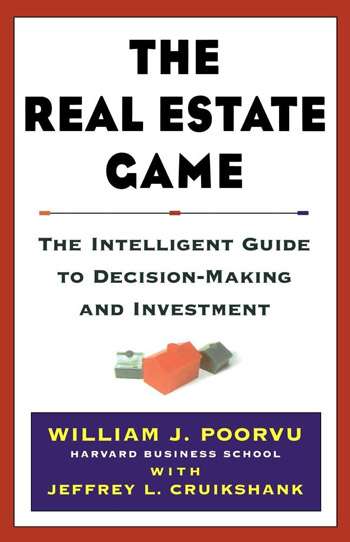
- The Real Estate Game — William J. Poorvu
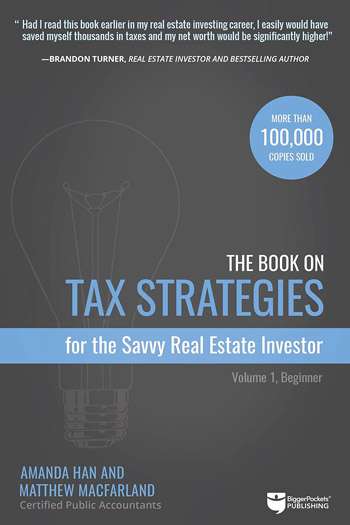
- The Book on Tax Strategies for the Savvy Real Estate Investor — Amanda Han & Matthew MacFarland

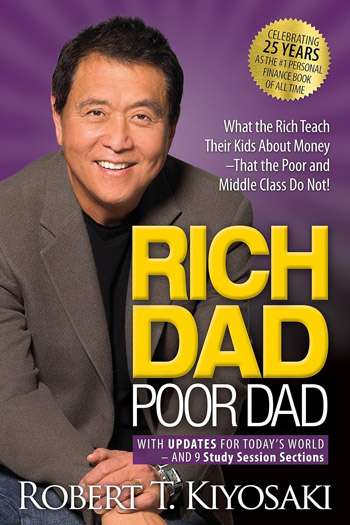
1) Rich Dad Poor Dad — Robert T. Kiyosaki
This remains one of the most referenced gateway Real Estate Investment Books because it reframes how beginners think about assets, liabilities, and cash flow. It’s less about step-by-step property math and more about mental models that stop new investors from making emotional decisions.
It’s also a fast read, which makes it a good “starter spark” before you move into the more technical Real Estate Investment Books below.
Why should I choose this book: It helps you shift from consumer thinking to investor thinking—before you start evaluating deals.
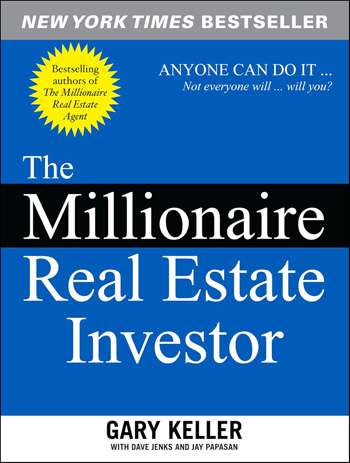
2) The Millionaire Real Estate Investor — Gary Keller
Among Real Estate Investment Books for beginners, this one is excellent for showing how real investors actually build wealth—patterns, behaviors, and decision-making. It draws on lessons from many successful investors and turns them into frameworks you can apply (even if you’re starting small).
If your biggest struggle is confidence and clarity—“What do successful investors do differently?”—this book is a strong bridge between motivation and method.
Why should I choose this book: It gives you proven models and habits you can copy—even without a big starting budget.
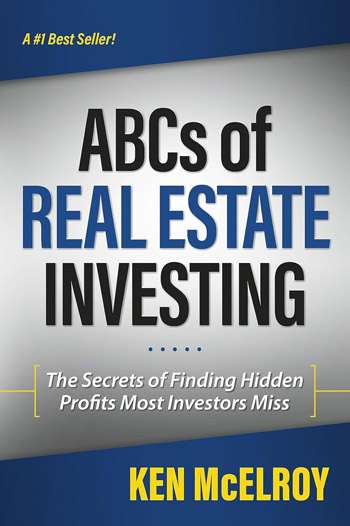
3) The ABCs of Real Estate Investing — Ken McElroy
If you want a structured “from-zero” guide, this is one of the most practical Real Estate Investment Books for beginners. It walks through foundational concepts like evaluating deals, understanding income drivers, and thinking operationally about property performance.
It’s also helpful for building vocabulary—so you can speak confidently with agents, lenders, developers, and other investors.
Why should I choose this book: It’s a clean, step-by-step foundation that makes the rest of your learning easier.
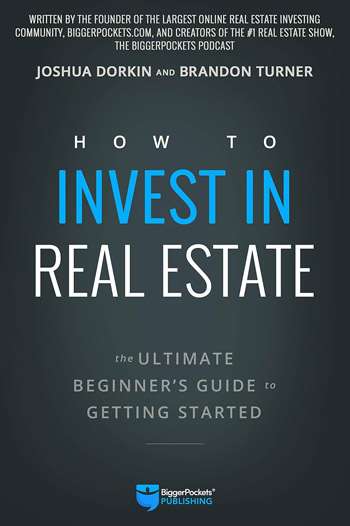
4) How to Invest in Real Estate — Josh Dorkin & Brandon Turner
This is one of the most “big picture” Real Estate Investment Books for beginners because it explores multiple strategies and investor styles. That matters in 2026, because different markets reward different approaches—rentals, value-add, partnerships, long-distance investing, and more.
If you’re still deciding what kind of investor you want to be, this book helps you compare options and choose a lane with less guesswork.
Why should I choose this book: It helps you pick the right strategy for your resources instead of forcing a one-size-fits-all method.
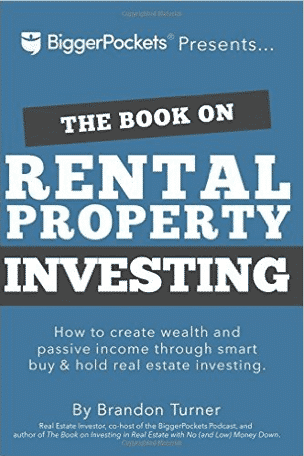
5) The Book on Rental Property Investing — Brandon Turner
Rental property is still one of the most approachable paths for beginners, and this remains one of the best-known Real Estate Investment Books for that track. It’s practical: it covers deal analysis, common mistakes, management basics, and the reality of building a portfolio gradually.
It’s especially useful if you want a repeatable process rather than “inspiration.”
Why should I choose this book: It’s a hands-on roadmap for buying and running rentals without getting overwhelmed.
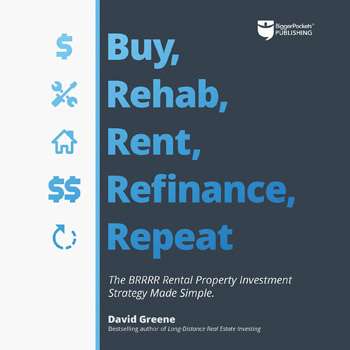
6) Buy, Rehab, Rent, Refinance, Repeat (BRRRR) — David Greene
For 2026, BRRRR remains one of the most discussed strategies for investors who want to recycle capital and scale. This book breaks down the method clearly: buy under value, add value, stabilize the rental, refinance, then repeat.
Even if you don’t plan to BRRRR immediately, it teaches a powerful skill: value creation—how investors manufacture equity through execution.
Why should I choose this book: It teaches a scalable system that can accelerate portfolio growth when done with discipline.
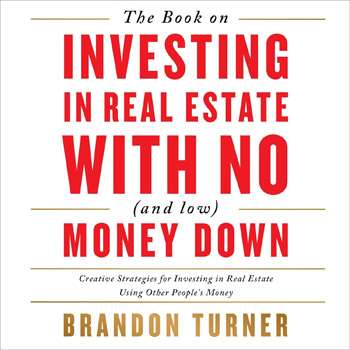
7) The Book on Investing in Real Estate with No (and Low) Money Down — Brandon Turner
Creative finance is not about magic—it’s about structure. This is one of the Real Estate Investment Books that helps beginners understand how deals get funded using combinations of seller terms, partnerships, and negotiated structures.
In 2026, flexibility matters. Being able to understand (and responsibly use) creative approaches can open doors—especially when traditional financing doesn’t fit a deal.
Why should I choose this book: It expands your options for funding deals when you don’t want to rely only on a bank loan.
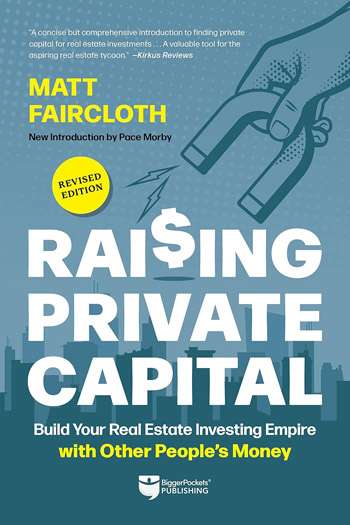
8) Raising Private Capital — Matt Faircloth
Many beginners underestimate how much real estate is a “people and trust” business. This is one of the most useful Real Estate Investment Books once you’re serious about scaling—because it explains how investors ethically raise capital, structure partnerships, and communicate risk.
Even if you never raise funds publicly, the mindset here improves how you pitch, negotiate, and build long-term investor relationships (source).
Why should I choose this book: It shows how serious investors scale using relationships—not just personal savings.
9) The Real Estate Game — William J. Poorvu
If you want to think like a professional, this is one of the Real Estate Investment Books that sharpens judgment. It focuses on decision-making: how to evaluate opportunities, understand real-world deal dynamics, and avoid expensive blind spots.
It’s often referenced in commercial real estate circles, but the thinking applies broadly—especially for buyers who want to move beyond “tips” and build true investor skill.
Why should I choose this book: It improves your deal judgment—so you make fewer costly mistakes over time.
10) The Book on Tax Strategies for the Savvy Real Estate Investor — Amanda Han & Matthew MacFarland
If one book can directly increase your real-world returns, it’s taxes. This title is frequently recommended because it translates tax strategy into practical moves investors can understand—and it has been revised and reviewed for 2026 in its current listing.
Many investors focus only on purchase price and rent—but after-tax outcomes matter. Understanding deductions, entity planning concepts, and strategy timing can make a measurable difference.
Why should I choose this book: It helps you keep more of what you earn—often the fastest way to boost investment performance.
In Summary
The best Real Estate Investment Books don’t just teach theory—they build your investor operating system: how you think, how you analyze, how you fund deals, and how you protect returns. For 2026, this updated set of Real Estate Investment Books is designed to be practical and action-oriented: start with mindset and fundamentals, choose a strategy lane, then level up with capital and tax strategy.
And when you’re ready to move from learning to execution—especially if your goal includes Cyprus—our team at Sunshadow can help you understand the Larnaca market, evaluate opportunities, and explore boutique projects designed for long-term value.
If you have any questions regarding starting your first real estate investment, do not hesitate to contact us at info@sunshadowinvest.com, call us at +357 24 816246, or Book a 20-Minutes Online Meeting.